
What Are Core Plugs?
Core Plugs: Enhancing Engine Performance and Reliability
Steel Core Plugs, Freeze Plugs & Expansion Plugs for UK and Global Engines
When it comes to enhancing engine performance and reliability, even the smallest components play a critical role. Core plugs — also known as freeze plugs or expansion plugs — are essential for maintaining engine cooling efficiency, preventing coolant leaks, and protecting the structural integrity of the engine block.
Whether you’re rebuilding a classic British engine, maintaining a European diesel, restoring an American V8, or upgrading a Japanese performance motor, choosing the correct high-quality core plugs directly impacts engine longevity.
What Are Core Plugs?
Core plugs are precision-engineered metal discs or cups installed in the engine block and cylinder head during manufacturing. These openings are created when casting sand cores are removed from the block.
Once installed, core plugs:
-
Seal internal coolant passages
-
Maintain cooling system pressure
-
Prevent coolant and oil leaks
-
Protect against corrosion
-
Support safe engine operation
In the UK automotive market, they are commonly referred to as core plugs, while in the US and worldwide they are often called freeze plugs or expansion plugs.
How Core Plugs Enhance Engine Performance
1. Maintaining Correct Engine Temperature
Stable operating temperature is vital for:
-
Efficient combustion
-
Emissions control
-
Oil viscosity stability
-
Prevention of overheating
A properly sealed engine block ensures consistent coolant circulation, reducing thermal stress and extending engine life.
2. Preventing Coolant Leaks and Engine Failure
A failed freeze plug can cause:
-
Rapid coolant loss
-
Sudden overheating
-
Head gasket failure
-
Cracked cylinder heads
-
Major engine damage
High-quality steel core plugs significantly reduce the risk of blow-out or corrosion failure.
3. Supporting High-Performance and Diesel Applications
Modern engines — especially:
-
Turbocharged petrol engines
-
High-compression performance builds
-
Commercial diesel engines
-
Marine and industrial power units
— operate under increased pressure and heat cycles. Steel core plugs provide superior strength and resistance under demanding conditions.
Steel vs Brass vs Aluminium Core Plugs
For UK and global automotive applications, steel core plugs are increasingly preferred.
| Material | Strength | Corrosion Resistance | Best For |
|---|---|---|---|
| Steel | Excellent | High (coated options available) | Performance, diesel, heavy-duty |
| Brass | Moderate | Good | Standard road vehicles |
| Aluminium | Moderate | Good | Lightweight applications |
Steel expansion plugs offer:
-
Greater structural integrity
-
Better resistance to pressure
-
Longer service life
-
Improved reliability in extreme climates
Why Replacing Core Plugs Improves Engine Reliability
During engine rebuilds or restorations, replacing all core plugs is considered best practice. Over time, internal corrosion from coolant can weaken original plugs — especially in older UK vehicles or high-mileage diesel engines.
Upgrading to high-quality steel core plugs ensures:
-
Long-term sealing performance
-
Reduced maintenance costs
-
Increased engine lifespan
-
Improved reliability under load
For classic car restorations, fleet vehicles, or performance builds, this small upgrade offers significant preventative protection.
Frequently Asked Questions (FAQ)
What is a Core or Freeze Plug?
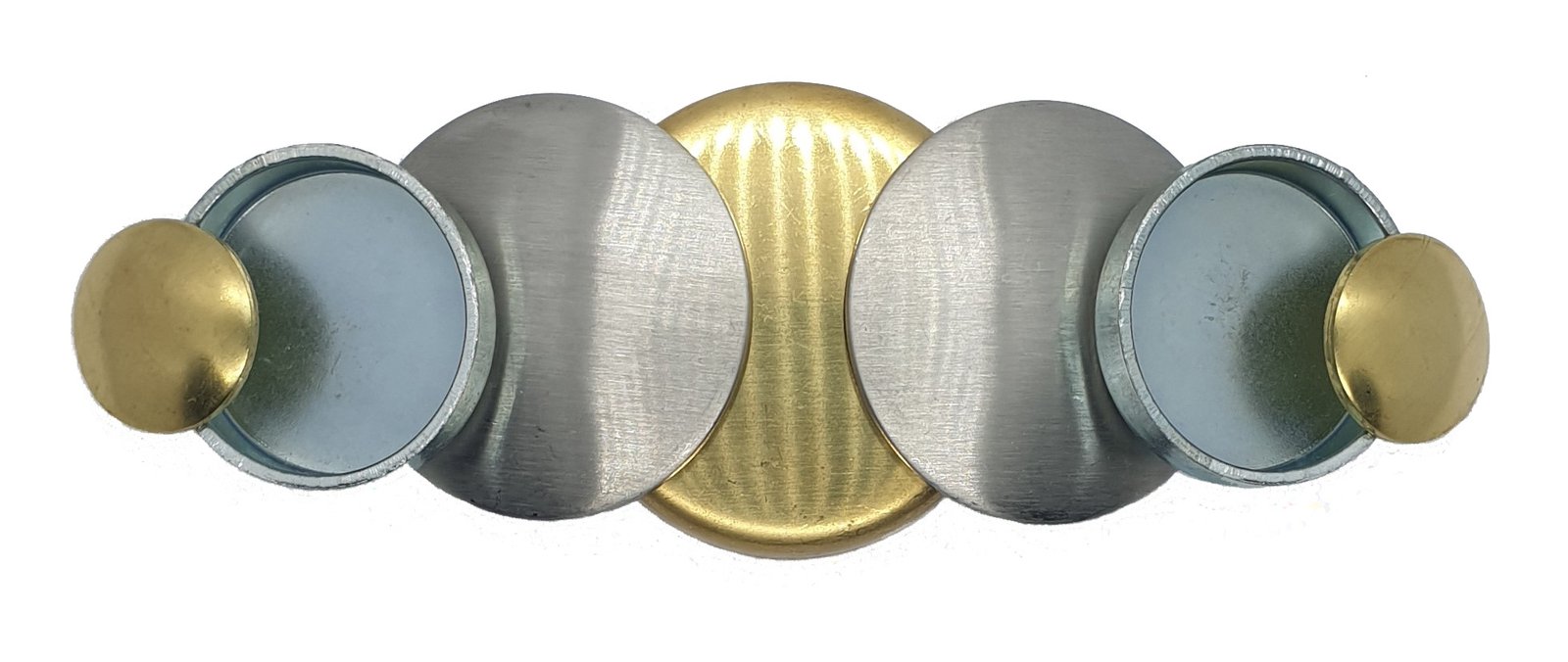
Either 'cupped' or 'dish' (also known as welch), they can resemble anything from a cap on bottle of water, to a jam jar lid. The dish type plugs are similar, but with no side-walls or depth to them, but more concaved than that of the cup type to allow the plug to spread and seal the hole with a blow to the centre. The plugs are used to fill the sand casting core holes found on water-cooled internal combustion engines. They are also used on various applications other than engines. Such as, turbo's, brake caliper's, oil wells, central heating boilers, bespoke projects and aesthetics.
What are engine sand cores?
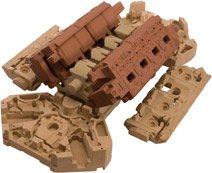
Sand cores are used to form the internal cavities when the engine block or cylinder head(s) is cast. These cavities are usually the coolant passages. Holes are designed into the casting to support internal sand forms, and to facilitate the removal of the sand after the casting has cooled.
Is there more than one type of core plug?

There are different types of plugs on the market. The plugs are usually thin metal cups press fitted into the casting holes, but may be made of rubber or other materials. In some high-performance engines the plugs are large diameter cast metal threaded pipe plugs. The image above is commonly known as a pipe, or hex plug. These are used in varying degrees of engineering projects.
Why do core plugs leak?
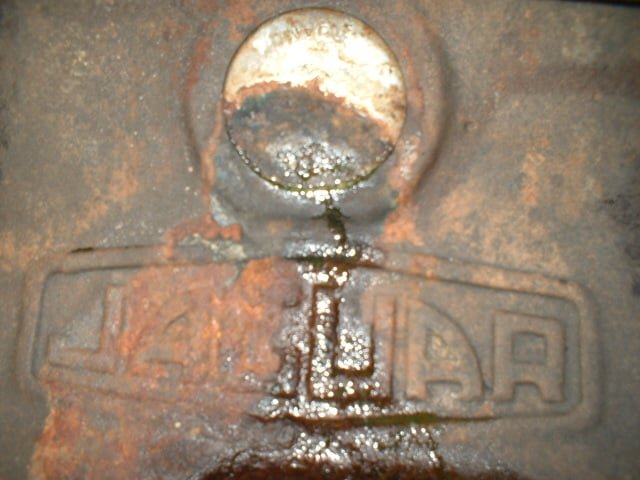
Plugs can often be a source of leaks due to corrosion caused by cooling system water. Although modern antifreeze chemicals do not evaporate and may be considered "permanent", anti-corrosion additives gradually deplete and must be replenished. Failure to do this periodic maintenance accelerates corrosion of engine parts, and the thin dish type (Welch) metal plugs are often the first components to start leaking.
What is a freeze or frost plug?

The term freeze or frost plug is slang; the correct name of the press-in plugs is actually 'core plug'. It is mistakenly thought that the purpose of these plugs is to be pushed out and save the block from cracking if the engine has water in it and it happens to freeze. This is nothing more than an urban legend.
The purpose of the plugs is to fill the holes that were made during the casting process, so the foundry could remove the 'core' sand from the coolant passages. Saving the block from cracking in case of a freeze was never the manufacturer's intent for these plugs.
What is a welch plug?

The Welch plug, (misnomer: Welsh plug), is a thin, domed disc or dish, of a metallic alloy, which is pressed, convex side out, into a casting hole and against an internal shoulder. Alternatively a non-ferrous metal such as brass offers improved corrosion prevention. When struck with a hammer, the dome collapses slightly, expanding it laterally to seal the hole.
What is a rubber expansion plug?

An expansion plug is commonly mistaken as being a core plug. As shown in the image above, there are two metal plates with a piece of malleable material such as rubber, or nylon etc. Through the centre is a threaded bolt that is attached to the bottom plate, so when the nut on the top is tightened, the two plates come together, thus compressing the material, making it widen against the side wall of the hole. These are quite a versatile plug, where the interference fit can be greater than that of the cup and dish plugs. There are various sizes available to purchase here.